The versatility of these materials allows for their application in various contexts, with nitrite, calcium nitrate additive, and calcium nitrate, nitrite, and chloride additive specifically designed as additives. Among the American-produced additives based on calcium nitrite, carbamide has successfully resulted in regions with relatively mild weather conditions and concrete temperatures above -10 degrees Celsius. While this antifreeze admixture promotes a smooth and uniform concrete mixture, it does not significantly accelerate the hardening process. Urea, one of the components of CNNU or CCNNU (mixtures of urea with nitrite, calcium nitrate, or chloride, nitrite, calcium nitrate), has been employed in this regard.
Each combined antifreeze admixture has its specific range of applications and associated benefits, enabling efficient performance across a wide temperature spectrum. By lowering the freezing point of water, antifreeze admixtures require a consumption amount proportional to the mixed water’s weight. This consumption amount varies depending on the water-to-cement ratio. When calculating the consumption of antifreeze, similar to concrete plasticizers, based on the cement ratio, a higher water-to-cement ratio leads to a lower concentration in the solution, affecting the hardening rate below freezing temperatures. However, such concerns are alleviated when determining the antifreeze admixture quantity based on the water weight in the mixture. Consequently, all relevant tables provide the amount of antifreeze admixture based on the required water content in the mixture, following the common practice for liquid additives.
For comparative purposes with other admixtures, the amount of antifreeze used can be calculated based on the cement quantity in the mixture instead of water. In such cases, an average water-to-cement ratio of 0.5 can be assumed.
Liquid Form Antifreeze
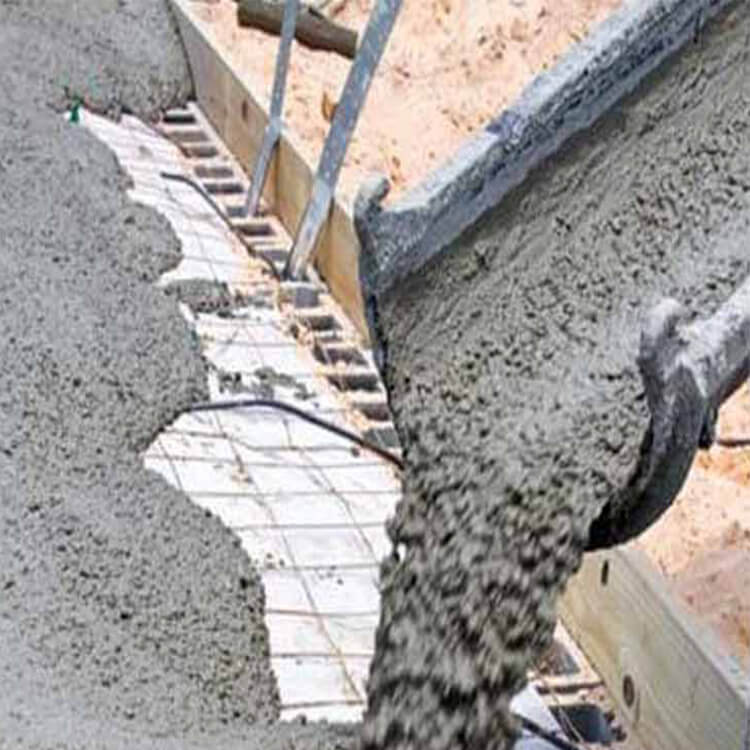
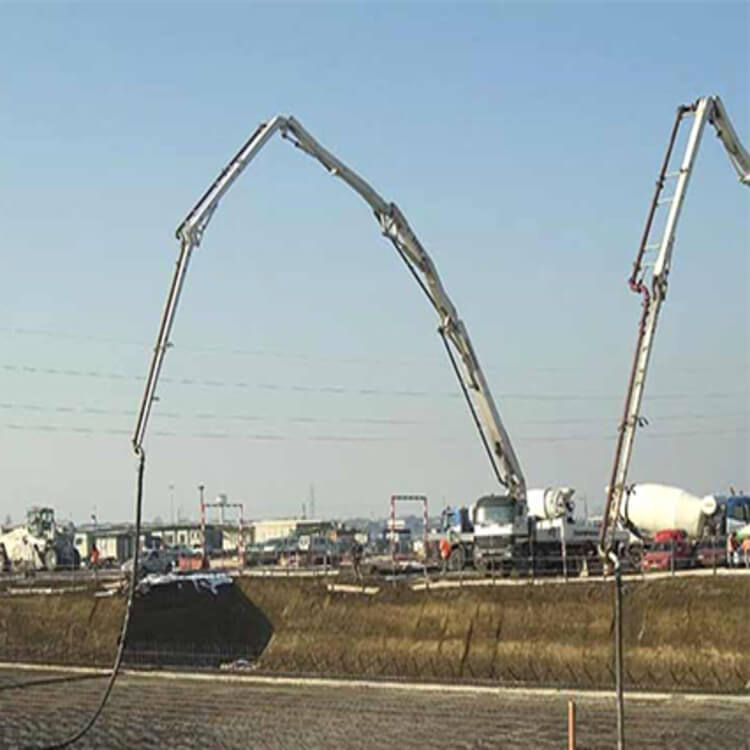
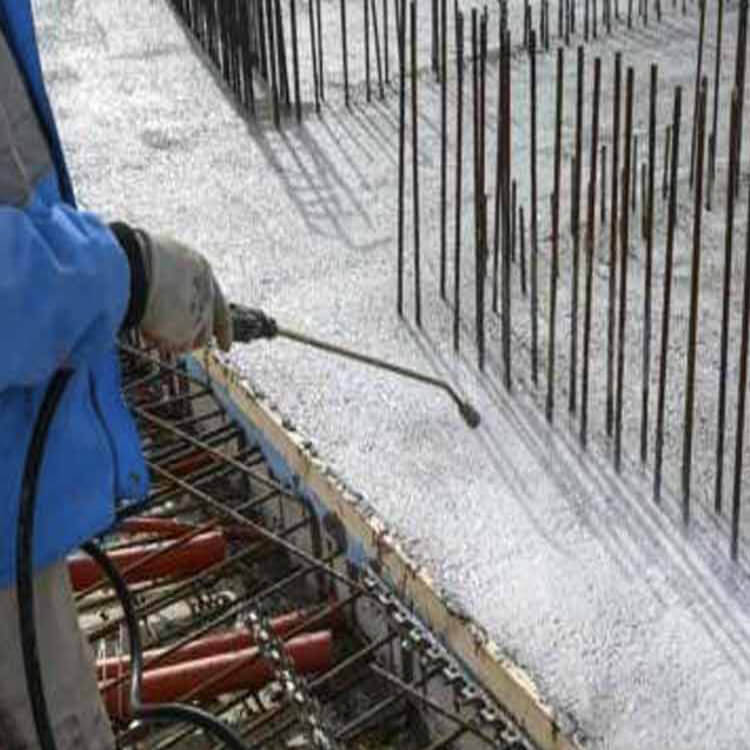
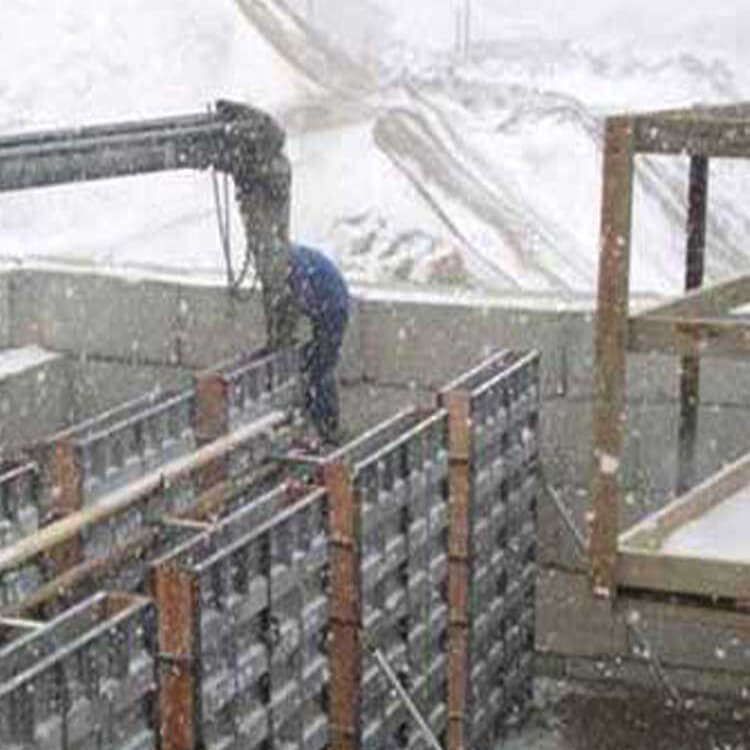
Liquid Form Antifreeze (LAF™ code) is a highly effective, ready-to-use product designed to facilitate the production of top-quality concrete even in low-temperature and cold weather conditions. Concreting in cold weather or winter presents challenges, as temperatures below 5 degrees Celsius can cause concrete water to freeze, leading to improper curing and setting of the concrete. LAF™ antifreeze concrete admixture, in its liquid form, serves the dual purpose of lowering the freezing point of concrete water and accelerating the hydration process. This unique formulation makes it ideal for concrete projects in cold regions. Additionally, the admixture’s composition ensures the absence of chloride materials, mitigating the concrete’s reinforcement corrosion risk. With LAF™ antifreeze, you can confidently achieve outstanding concrete performance in cold reigns without compromising durability or quality.
PRODUCT DESCRIPTION Liquid Form Antifreeze
Features Liquid Form Antifreeze
- Prevent concrete from freezing
- Not using materials containing chloride in the additive composition
- Increasing the initial strength of concrete
- Accelerating the hydration process
Applications Liquid Form Antifreeze
- This type of admixture can be used in cold areas or during concreting in winter.
packaging
- –
Product color
- Yellowish
Technical specifications and implementation Liquid Form Antifreeze
|
color |
yellowish |
|
Physical basis |
liquid |
| density |
1.25-1.28 Kg/L |
|
Shelf Time |
12 months |
| Chloride |
No |
- Familiarize Yourself with Product Properties: Understand the characteristics of LAF™ code.
- Consider Cold Weather and Low-Temperature Conditions: Plan concreting in cold environments.
- Optimize Concrete Mixture Uniformity: Ensure a consistent and homogeneous mix with LAF™ code.
- Assess Project-Specific Requirements: Tailor LAF™ code dosage based on project needs.
- Verify Compatibility with Other Admixtures: Check if the LAF™ code works well with other additives.
- Consider Environmental Impact: Prioritize sustainable options and eco-friendly practices.
- Collaborate with Suppliers and Contractors: Maintain communication for seamless integration.
- Stay Updated with Industry Standards and Best Practices: Stay informed on guidelines for cold weather concreting and antifreeze admixtures.
- Understand Product Application: Familiarize yourself with how to use LAF™ code correctly.
- Follow Manufacturer Guidelines: Adhere to recommended dosage rates for the LAF™ code.
- Test Compatibility and Performance: Ensure LAF™ code works well with other materials and performs as expected.
- Monitor Weather Conditions: Stay updated on weather forecasts and adjust LAF™ code dosage accordingly.
- Implement Quality Control Measures: Establish procedures to maintain concrete quality and consistency.
- Ensure Proper Concrete Curing: Pay attention to curing methods for LAF™ code in cold weather.
- Collaborate with Engineers and Designers: Maintain clear communication on project requirements.
- Prioritize Safety Measures: Take precautions when handling LAF™ code materials.
- Document and Record: Keep detailed records of LAF™ code usage and performance data.
- Stay Informed on Industry Updates: Stay updated on advancements in cold weather concreting.
- Understand Product Application: Familiarize yourself with how to use LAF™ code correctly.
- Follow Manufacturer Guidelines: Adhere to recommended dosage rates for the LAF™ code.
- Test Compatibility and Performance: Ensure LAF™ code works well with other materials and performs as expected.
- Monitor Weather Conditions: Stay updated on weather forecasts and adjust LAF™ code dosage accordingly.
- Implement Quality Control Measures: Establish procedures to maintain concrete quality and consistency.
- Ensure Proper Concrete Curing: Pay attention to curing methods for LAF™ code in cold weather.
- Collaborate with Engineers and Designers: Maintain clear communication on project requirements.
- Prioritize Safety Measures: Take precautions when handling LAF™ code materials.
- Document and Record: Keep detailed records of LAF™ code usage and performance data.
- Stay Informed on Industry Updates: Stay updated on advancements in cold weather concreting.
- Training and Familiarization: Ensure personnel are trained and familiar with the LAF™ code.
- Raw Material Inspection: Check LAF™ code for quality and adherence to storage conditions.
- Dosage Verification: Confirm LAF™ code dosage aligns with project requirements.
- Compatibility Testing: Test LAF™ code compatibility with other admixtures and materials.
- Concrete Sample Collection: Collect representative samples throughout the project.
- Concrete Testing: Perform various tests on concrete samples.
- Documentation and Record-Keeping: Maintain comprehensive records of quality control activities.
- Calibration and Maintenance: Regularly calibrate and maintain testing equipment.
- Analysis and Feedback: Analyze data and provide feedback for improvement.
- Continuous Improvement: Review and enhance quality control procedures.


Reviews
There are no reviews yet.